
A home rarely develops serious problems overnight. A small roof leak can slowly damage ceiling materials. A blocked gutter can send rainwater towards the foundation. Even a loose bathroom seal can allow moisture to reach areas that are difficult to inspect. These problems often begin quietly, which is why regular care matters.
Good home maintenance is not about spending every weekend repairing something. It is about knowing what to inspect, handling simple tasks at the right time, and recognizing when a problem needs professional attention. A sensible routine can protect your property, improve comfort, and reduce unexpected expenses.
The most effective home maintenance tips combine seasonal checks, basic DIY skills, and an understanding of how the roof, walls, plumbing, electrical systems, and foundation work together. With a little planning, homeowners can spot warning signs early and make better decisions about repairs.
Why Regular Home Maintenance Matters
A well maintained home is generally safer, more comfortable, and easier to manage. Small repairs are often less expensive than fixing damage that has spread through several parts of a building. For example, replacing damaged exterior caulking may be a straightforward job. Repairing the hidden wood rot caused by years of water entering through that gap can be much more involved.
Regular inspections also help homeowners understand how their property changes over time. A new crack, an unusual smell, a damp patch, or a sudden increase in water use may signal a developing problem. When these signs are noticed early, there is usually more time to investigate the cause and compare repair options.
Prevention Is Better Than Emergency Repair
Preventive maintenance focuses on reducing the chance of failure before it happens. This includes cleaning gutters, checking visible plumbing connections, testing smoke alarms, inspecting exterior walls, and maintaining heating and cooling equipment. These tasks may appear ordinary, but together they protect some of the most important parts of a property.
Consider a homeowner who notices water overflowing from a gutter during heavy rain. Cleaning the gutter and checking the downspout may solve the immediate issue. Ignoring it could allow water to collect beside the house, affect the soil around the foundation, or enter a basement. The original problem is small, but the consequences can become expensive.
Build a Simple Maintenance Record
A maintenance record makes recurring tasks easier to manage. Write down the date of each inspection, the condition of the area, repairs completed, and any concerns that need another look. Keep receipts, appliance manuals, warranty information, and photographs of visible damage in one place.
This record is particularly useful when a property changes ownership or a contractor needs to understand an older problem. It can also reveal patterns. If the same ceiling develops a damp mark every winter, for example, the issue may involve condensation, roof drainage, or ventilation rather than a one time spill.
Seasonal Home Maintenance Checklist
Weather affects buildings in different ways. Rain can expose drainage weaknesses, heat can stress roofing materials, and cold conditions can increase the risk of frozen pipes in suitable climates. A seasonal schedule helps homeowners prepare before these conditions become difficult to manage.
The right home maintenance tips depend on local weather, building age, construction materials, and the condition of existing systems. A property in a hot, dry region will not need exactly the same routine as a house exposed to heavy snowfall or frequent storms. Use the following seasonal approach as a starting point and adjust it to your location.
Spring: Check for Winter Damage
Spring is a good time to inspect the exterior after colder or wetter months. Look for loose roof materials from a safe ground position, damaged flashing, cracked exterior sealant, and signs of water entering around windows or doors. Check gutters and downspouts for leaves, dirt, and other blockages that may have collected during winter.
Walk around the property and examine paths, steps, fences, and visible foundation areas. Look for new cracks, soil erosion, or places where water remains close to the building after rain. Check outdoor taps and hoses for leaks before regular use begins.
Inside, inspect ceilings and the corners of exterior walls for stains or peeling paint. Test smoke and carbon monoxide alarms according to the manufacturer’s instructions. If the heating system has worked heavily through winter, arrange any servicing recommended by its manufacturer.
Summer: Protect Against Heat and Moisture
Hot weather can put pressure on roofs, exterior finishes, cooling systems, and wooden components. Check visible roof areas from the ground for signs of damage. Look for cracked sealant around windows, doors, and other exterior openings. Make sure outdoor drainage routes remain clear and that rainwater moves away from the house.
Air conditioning systems should receive maintenance according to the manufacturer’s schedule. Clean or replace filters as directed, keep outdoor units free of leaves and debris, and make sure vents are not blocked by furniture. Poor airflow can reduce comfort and make equipment work harder.
Summer is also a useful time to inspect decks, balconies, fences, and exterior steps. Look for loose boards, corrosion, damaged railings, and signs of wood decay. Do not use a deck that appears structurally unsafe until it has been assessed.
Autumn: Prepare for Rain and Cold Weather
Autumn maintenance focuses on drainage, weather protection, and heating readiness. Clear gutters and check that downspouts direct water away from the foundation. Inspect visible roof edges, exterior joints, and door seals. Repair minor gaps before persistent rain or cold weather makes them harder to address.
If your region experiences freezing temperatures, protect exposed pipes using suitable insulation. Disconnect and drain outdoor hoses where appropriate, and learn where the main water shutoff valve is located. A burst pipe can cause extensive damage, so knowing how to stop the water supply is a useful precaution.
Have heating equipment checked according to its service requirements. Test alarms, replace batteries where applicable, and confirm that vents and flues are not blocked. Never ignore unusual heating smells, repeated system shutdowns, or signs of exhaust problems.
Winter: Monitor Indoor Conditions
During winter, pay attention to condensation, drafts, and signs of water entry. Moisture collecting on windows may be related to indoor humidity and ventilation. Use kitchen and bathroom exhaust fans where available, and avoid blocking ventilation openings.
Check ceilings and upper floor walls after heavy rain or snow. Watch for water stains, sagging, or unusual sounds from the roof. Do not climb onto icy or wet roofing to investigate a concern. A qualified roofing professional can inspect hazardous areas more safely.
In colder climates, keep an eye on vulnerable plumbing and maintain reasonable indoor temperatures in areas containing water pipes. If a pipe freezes, avoid using an open flame to thaw it. Follow safe plumbing guidance or contact a qualified professional.
DIY Repairs Every Homeowner Should Understand
Basic DIY skills can save time and help homeowners handle minor problems before they grow. The key is to choose tasks that match your experience and do not expose you to unnecessary risks. A small repair should not become a major incident because someone attempted work beyond their ability.
Practical home maintenance tips begin with knowing the difference between routine care and technical repair. Cleaning a drain cover, replacing a worn doorstop, or applying suitable sealant around a minor gap may be manageable. Working on live wiring, gas lines, major plumbing, or structural supports requires appropriate training and professional judgment.
Fix Minor Leaks and Damaged Seals
A slow leak beneath a sink can damage cabinet materials and encourage mold growth. Check visible supply connections, the trap, and the surrounding cabinet for moisture. If a fitting is loose and you understand how the connection works, a simple adjustment may help. If water continues to escape, the pipe is corroded, or the leak is inside a wall, arrange professional repair.
Bathroom and kitchen sealant also deserves attention. Cracked or separated sealant around a bath, shower, or sink can allow water behind the surface. Remove failed material carefully, clean and dry the area, and apply a product designed for that location. Follow its instructions for preparation and curing time. Applying new sealant over damp or dirty material is unlikely to provide a lasting result.
Handle Small Wall and Door Repairs
Minor wall holes can often be repaired with suitable filler. Clean away loose material, apply the product according to its instructions, allow it to dry, and sand the surface carefully before repainting. However, a crack that keeps returning, becomes wider, or appears alongside sticking doors and uneven floors should not be treated as a simple decoration problem.
Loose door handles, cabinet hinges, and basic hardware can often be tightened with the correct screwdriver. A door that suddenly sticks may need more investigation. Changes in humidity can affect wood, but movement may also indicate a problem with the frame or building structure.
Maintain Drains and Ventilation
Keep drain covers free of hair, food waste, and other debris. Use drain strainers where appropriate, and avoid pouring grease into kitchen sinks. If a drain repeatedly blocks, several fixtures are affected, or sewage smells appear, the problem may be deeper in the plumbing system.
Ventilation is equally important. Clean accessible extractor fan covers and keep air vents clear. If a fan becomes unusually noisy or stops working, inspect only the parts identified as user maintainable in its manual. Electrical components should be handled by a qualified technician.
Structural Care: Roofs, Walls, Foundations, and Drainage
Structural maintenance protects the parts of a property that support its safety and long term stability. It deserves particular attention because damage can remain hidden behind paint, flooring, insulation, or exterior finishes. A fresh coat of paint may improve appearance, but it will not solve the moisture problem beneath it.
Homeowners should understand the visible warning signs without assuming they can diagnose every structural issue. Changes in cracks, water patterns, floor levels, and roof condition can provide useful information. When signs appear together or become worse, arrange an appropriate inspection.
Roof and Gutter Protection
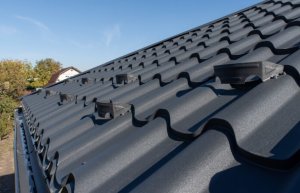
The roof protects the building from rain, wind, sunlight, and temperature changes. Check for missing or damaged shingles, loose tiles, deteriorated flashing, and visible sagging from a safe location. Inside the property, look for attic moisture, damaged insulation, daylight entering through unexpected gaps, or stains on upper ceilings.
Gutters and downspouts are part of the roof drainage system. They should carry rainwater away from the walls and foundation rather than allowing it to spill beside the building. Clean them at least during the main seasonal leaf fall and after periods of heavy debris accumulation. Homes surrounded by trees may need more frequent attention.
Do not walk on a roof unless you have the correct equipment, training, and safety arrangements. Sloped, fragile, or wet surfaces can be dangerous. Roof repairs and work around electrical service lines should be left to qualified professionals.
Foundation and Exterior Wall Checks
Inspect visible foundation surfaces for cracks, water staining, crumbling material, or areas where soil has pulled away from the building. Small, stable surface cracks are not automatically evidence of serious structural damage. Their size, direction, location, and rate of change all matter.
A crack that widens over time, appears alongside sloping floors, or is accompanied by doors and windows that suddenly stop fitting properly deserves professional assessment. The same applies to bowing walls, repeated water entry, or significant movement around structural openings.
Drainage is a major part of foundation care. Check that the ground slopes away from the house where the design allows it. Downspouts should discharge water at a suitable distance and location, following local drainage requirements. Avoid making changes that direct water onto a neighbor’s property or towards another building.
Moisture, Mold, and Indoor Air Quality
Moisture can damage plaster, wood, insulation, and other building materials. It can also contribute to mold growth, particularly where ventilation is poor. Look for musty smells, recurring condensation, peeling paint, dark patches, and damp areas behind furniture.
The US Environmental Protection Agency advises controlling moisture as the main way to prevent mold growth. Its guidance recommends drying water damaged areas promptly, ideally within 24 to 48 hours, and fixing the source of moisture rather than simply cleaning visible growth.
For a small area on a suitable hard surface, careful cleaning may be possible when the cause has been corrected. Extensive mold, recurring growth, contaminated materials, or moisture inside walls and ventilation systems may require professional assessment. People with asthma, allergies, or other health concerns should be especially careful about exposure.
When to Call a Professional Instead of Doing It Yourself
DIY work is useful when the task is simple, the cause is understood, and the risk is low. It is not a substitute for professional inspection when a repair affects the safety of the building or its occupants. Knowing when to stop is one of the most valuable home maintenance skills.
Call a qualified professional for major electrical faults, gas leaks, damaged structural supports, significant roof problems, persistent foundation movement, and plumbing leaks inside walls. Suspected asbestos or other hazardous building materials should not be disturbed without appropriate assessment. If you smell gas, leave the affected area and contact the relevant emergency or utility service from a safe location.
Choose contractors based on relevant experience, appropriate licensing where required, insurance, written estimates, and clear descriptions of the proposed work. Ask what the estimate includes, whether permits are needed, and how unexpected damage will be handled. Keep copies of contracts, inspection reports, invoices, and warranties.
A contractor should be willing to explain the cause of a problem and why a particular repair is recommended. Be cautious of anyone who pressures you into immediate expensive work without providing a clear explanation or written details.
Create a Home Maintenance Schedule That Works
A maintenance plan does not need to be complicated. Start with a list of important areas, including the roof, gutters, plumbing, heating and cooling equipment, alarms, windows, exterior walls, and visible foundation surfaces. Assign seasonal reminders and note which tasks require a professional.
Budgeting also makes maintenance easier. Set aside money for routine servicing and minor repairs, then maintain a separate reserve for unexpected problems. The right amount depends on the age, size, condition, and construction of the property. An older house with a history of leaks may need a larger repair reserve than a recently built home with well documented systems.
Use home maintenance tips as a guide rather than a rigid checklist. If a storm damages the roof, inspect it promptly instead of waiting for the scheduled seasonal review. If a plumbing leak appears, address it when discovered. A schedule works best when it supports timely decisions rather than delaying them.
Conclusion
A safe and comfortable home depends on regular attention, not occasional major repairs. Seasonal inspections help identify weather related damage, simple DIY work can resolve minor issues, and structural checks can reveal warning signs before they become more serious. Keeping records and planning a realistic maintenance budget makes the work easier to manage.
The best home maintenance tips are practical and consistent. Inspect important areas, correct small problems early, and seek qualified help when safety or structural integrity is involved. A little attention throughout the year can protect your property and help you avoid many preventable repair costs.
Frequently Asked Questions
1. How often should I inspect my home?
Check key areas seasonally, while monitoring leaks, alarms, and unusual changes throughout the year.
2. What repairs can I safely do myself?
Minor sealing, basic hardware adjustments, and simple cleaning are often manageable when instructions and safety precautions are followed.
3. When should I hire a professional?
Seek qualified help for structural movement, roof damage, gas, electrical faults, persistent leaks, and hazardous materials.