
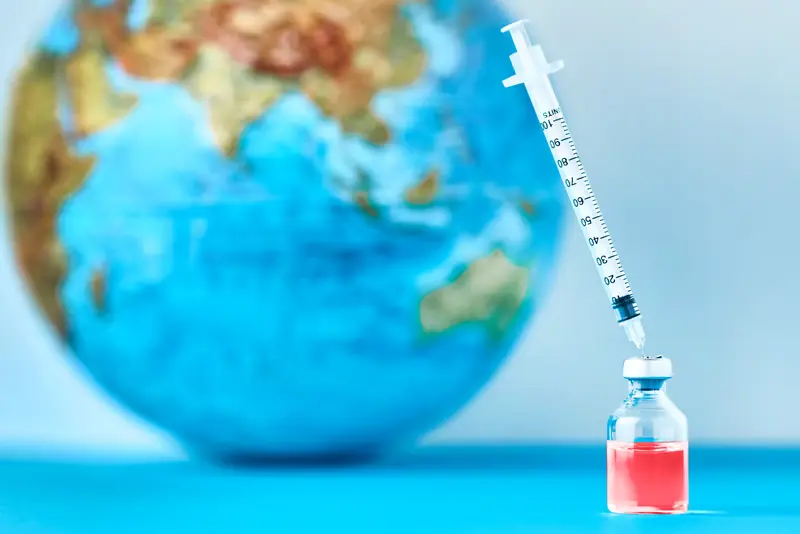
Health challenges around the world are changing. Some populations are dealing with rising rates of diabetes, heart disease, and cancer. Others face infectious disease outbreaks, limited access to basic medical services, or growing mental health concerns. In many countries, several of these problems exist at the same time, placing pressure on families, healthcare workers, and public health systems.
The most pressing big health issues are not limited to individual illnesses. They also include the social, economic, environmental, and technological conditions that influence whether people can stay healthy. Poverty, pollution, poor nutrition, aging populations, and unequal access to treatment can turn manageable health risks into widespread problems.
Understanding these challenges requires more than looking at disease statistics. It means examining who is most affected, why existing responses are falling short, and which interventions can produce lasting improvements. This article explores the major health concerns shaping modern populations and the practical decisions that governments, healthcare providers, communities, and individuals need to consider.
The Growing Burden of Noncommunicable Diseases
Noncommunicable diseases, often called NCDs, are among the largest global health challenges. They include cardiovascular diseases, cancers, chronic respiratory conditions, and diabetes. Unlike infectious illnesses, they are generally not transmitted from one person to another. Many develop over years through a combination of lifestyle, environmental, genetic, and social factors.
The World Health Organization estimates that NCDs cause around 43 million deaths each year, representing approximately 75% of non-pandemic-related deaths worldwide. This scale makes prevention and long-term disease management essential priorities for health systems.
Heart Disease and Stroke
Cardiovascular diseases remain a leading cause of death globally. Heart attacks and strokes are often associated with high blood pressure, elevated cholesterol, tobacco use, diabetes, physical inactivity, and unhealthy diets. Some risk factors can be reduced through lifestyle changes, while others require regular medical monitoring and treatment.
One difficulty is that high blood pressure often produces no noticeable symptoms. A person may feel perfectly healthy while their cardiovascular risk increases. This makes routine screening valuable, particularly for adults with a family history of heart disease or other risk factors.
Public health strategies should combine individual care with broader prevention. Affordable blood pressure checks, access to essential medicines, tobacco control, and healthier food environments can reduce risk across entire communities. Advising people to exercise is useful, but it is not enough when safe walking areas, affordable nutritious food, and primary healthcare are unavailable.
Diabetes, Cancer, and Chronic Respiratory Conditions
Diabetes is another major concern because it can affect the heart, kidneys, eyes, nerves, and blood vessels. Type 2 diabetes is associated with several risk factors, including excess body weight, limited physical activity, family history, and certain social and environmental conditions. Early detection and consistent treatment can reduce complications.
Cancer also creates a substantial burden. Its impact varies by cancer type, age, location, and access to diagnosis. Screening for selected cancers, vaccination against cancer-causing infections, reducing tobacco exposure, and improving access to treatment can all make a difference.
Chronic respiratory diseases, including asthma and chronic obstructive pulmonary disease, affect daily functioning and can lead to serious complications. Tobacco smoke, indoor cooking pollution, workplace exposure, and outdoor air pollution contribute to respiratory risk. These conditions show why the most effective health policies must address both medical treatment and the environments in which people live.
Mental Health and Neurological Conditions
Mental health has become a major public health concern across age groups and income levels. Depression, anxiety, substance use disorders, and other psychological conditions can affect education, employment, relationships, and physical health. Yet many people still struggle to access timely, affordable, and appropriate support.
The World Health Organization reported in 2025 that more than one billion people were living with mental health conditions worldwide. Its October 2026 estimates also showed that the global burden of depressive and anxiety disorders increased between 2019 and 2023.
These figures reflect a challenge that cannot be addressed through hospitals and medication alone.
Why Mental Health Problems Are Increasing
Several pressures can contribute to psychological distress. Financial insecurity, conflict, social isolation, unemployment, discrimination, family difficulties, and exposure to violence can all affect mental well-being. Digital environments add another layer. Excessive screen use, online harassment, harmful content, and constant exposure to distressing news may affect sleep, attention, and emotional health, particularly among young people.
However, it would be misleading to blame technology alone. Mental health conditions have multiple causes, and people respond differently to similar circumstances. Genetics, physical health, childhood experiences, and social support can all influence risk. Effective responses therefore need to combine prevention, early identification, community support, and professional treatment.
Making Mental Healthcare More Accessible
A major weakness in many health systems is the gap between the number of people who need support and the services available. Stigma may discourage people from seeking help, while long waiting lists and high treatment costs create additional barriers.
Governments can improve access by integrating mental health services into primary care, training frontline healthcare workers, and supporting community based services. Schools and workplaces can also help by developing safe referral pathways and reducing discrimination. For individuals experiencing persistent distress, professional assessment is more reliable than relying on social media advice or self diagnosis.
Infectious Diseases and the Risk of Future Outbreaks
Infectious diseases remain a serious threat despite advances in vaccines, diagnostics, sanitation, and treatment. Tuberculosis, malaria, HIV, respiratory infections, and emerging viral diseases continue to affect millions of people. Their impact is often greatest in communities where housing, nutrition, clean water, and healthcare access are limited.
The COVID-19 pandemic demonstrated how quickly an infectious disease can disrupt education, employment, travel, supply chains, and routine medical services. It also exposed weaknesses in international preparedness, including unequal access to vaccines and medical supplies. Global health systems need to treat outbreak readiness as a continuous responsibility rather than an emergency activity that begins only after infections spread.
Persistent Diseases Require Consistent Attention
Tuberculosis remains a major concern, particularly where diagnosis is delayed or treatment is interrupted. Malaria continues to place a heavy burden on many communities, especially children in high transmission regions. HIV prevention and treatment have made significant progress, but access to testing, medicines, and prevention services remains uneven.
The United Nations’ 2025 Sustainable Development Goals report highlighted tuberculosis as a leading infectious cause of death in 2023 and noted rising malaria cases.
These trends show why existing programmes need sustained funding and careful monitoring.
Preparing for New Health Emergencies
Outbreak preparedness depends on early detection, reliable laboratories, trained healthcare workers, transparent reporting, and coordinated public communication. Countries also need emergency plans for essential medicines, protective equipment, oxygen supplies, and hospital capacity.
An effective response must protect routine healthcare as well. During emergencies, people still need cancer treatment, maternity services, vaccinations, and care for chronic illnesses. Strong primary healthcare systems are therefore part of pandemic preparedness, not a separate priority.
Antimicrobial Resistance Is Making Infections Harder to Treat
Antimicrobial resistance, or AMR, occurs when bacteria, viruses, fungi, or parasites change over time and no longer respond effectively to medicines designed to treat them. Drug resistant infections can make common illnesses harder to manage and increase the risk of complications, longer hospital stays, and death.
Antibiotic resistance receives particular attention because antibiotics are widely used in human medicine and animal health. The problem becomes worse when antibiotics are taken unnecessarily, prescribed incorrectly, or not used as directed. Inadequate infection control and poor sanitation can also encourage resistant organisms to spread.
Why Responsible Medicine Use Matters
Antibiotics do not treat viral infections such as ordinary colds and influenza. Taking them when they are not needed exposes bacteria to medicines without providing a benefit to the patient. People should not use leftover antibiotics, share prescriptions, or stop a prescribed course without discussing it with their healthcare professional.
Healthcare providers also have an important responsibility. They should prescribe antimicrobials when clinically appropriate, use diagnostic information where available, and follow local treatment guidance. Hospitals need infection prevention programmes, hygiene standards, and surveillance to identify resistant organisms.
A One Health Approach Is Essential
AMR is not limited to hospitals. Human health, animal health, agriculture, food production, and environmental conditions are connected. Resistant organisms can move between people, animals, food systems, and the environment.
A One Health approach brings these sectors together. It supports responsible antimicrobial use in medicine and farming, better disease surveillance, safe waste management, vaccination, and improved hygiene. This coordinated approach is more effective than expecting hospitals alone to solve the problem.
Climate Change and Environmental Pollution
Environmental conditions have a direct influence on health. Rising temperatures, extreme weather, poor air quality, unsafe water, and changing patterns of infectious disease exposure affect communities around the world. Climate related health risks are especially serious for older adults, young children, outdoor workers, and people with existing medical conditions.
Heatwaves can cause dehydration, heat exhaustion, and dangerous cardiovascular strain. Floods may contaminate drinking water, damage healthcare facilities, and interrupt access to essential medicines. Drought can affect food production and nutrition. These problems often overlap, making recovery harder for communities that already have limited resources.
Air Pollution and Respiratory Health
Air pollution is among the most significant environmental health risks. Fine particles and harmful gases can enter the respiratory system and contribute to heart disease, stroke, lung cancer, and chronic respiratory conditions. Exposure comes from traffic, industrial activity, power generation, agricultural burning, and household fuels.
The WHO’s 2025 fact sheet on noncommunicable diseases identifies air pollution as a major environmental risk factor, estimating 6.7 million associated deaths globally.
This makes clean air policy a health intervention, not simply an environmental preference.
Practical responses include cleaner transport, stronger emissions standards, access to clean household energy, and better monitoring of air quality. Healthcare providers can also help vulnerable patients understand pollution alerts and reduce exposure when air quality is poor.
Building Healthier Communities
Climate adaptation requires local planning. Cities need shade, green spaces, reliable water systems, drainage, and buildings designed to manage extreme heat. Hospitals should have backup power, emergency supplies, and plans for service disruptions.
These improvements can reduce health risks while making communities more resilient. The most pressing big health issues increasingly require cooperation between health ministries, environmental agencies, local authorities, and infrastructure planners.
Malnutrition, Obesity, and Food Insecurity
Nutrition problems exist at both ends of the spectrum. Some populations face hunger, undernutrition, and shortages of essential nutrients. Others experience rising obesity and diet related conditions. In many countries, both problems exist within the same communities or even the same households.
Food insecurity is not simply a lack of calories. People may have enough food to avoid hunger but still lack access to affordable fruits, vegetables, protein, and other nutritious options. Families facing financial pressure may rely on inexpensive foods that are high in salt, sugar, and unhealthy fats. Over time, poor dietary patterns can increase the risk of diabetes, heart disease, and other chronic conditions.
The Double Burden of Malnutrition
Children are particularly vulnerable to poor nutrition because their bodies and brains are still developing. Undernutrition can affect growth, immunity, learning, and long term health. At the same time, childhood obesity increases the likelihood of developing metabolic problems and other health complications later in life.
Pregnant women also need reliable access to nutritious food and appropriate medical care. Poor maternal nutrition can affect both the mother’s health and the development of the baby. This makes nutrition support an important part of maternal and child healthcare.
Making Healthy Food More Accessible
Telling people to eat better has limited value when nutritious food is expensive or unavailable. Governments and communities need policies that improve food affordability, support healthy school meals, protect food safety, and make clean drinking water accessible.
Healthcare professionals can provide practical dietary guidance based on a person’s age, health needs, culture, and budget. Broad advice should not replace individual assessment when someone has diabetes, kidney disease, food allergies, or another condition requiring specific nutritional care.
Healthcare Inequality and Limited Access to Essential Services
Access to healthcare remains deeply unequal. A person’s income, location, education, disability, gender, and social circumstances can influence whether they receive preventive care, diagnosis, treatment, and follow up support. Rural communities may have few clinics or specialists, while urban populations can face overcrowded hospitals and high treatment costs.
The WHO’s December 2025 universal health coverage update estimated that approximately 4.6 billion people were not fully covered by essential health services in 2023. It also reported that 2.1 billion people experienced financial hardship from healthcare costs in 2022.
These figures show that having medical facilities in a country does not necessarily mean everyone can afford or reach the care they need.
Strengthening Primary Healthcare
Primary healthcare provides the foundation for a fairer and more effective system. Local clinics can offer vaccinations, maternal care, screening, treatment for common illnesses, and support for chronic conditions. When these services are accessible, people may receive care before a problem becomes severe.
Governments should invest in trained healthcare workers, reliable medicine supplies, diagnostic facilities, and referral systems. Digital consultations can help reach remote communities, but they cannot fully replace physical examinations, laboratory testing, or emergency treatment. Technology works best when it strengthens existing services rather than becoming a substitute for them.
Protecting Families From Medical Costs
Healthcare expenses can push households into poverty. A family may delay treatment because of consultation fees, medicine costs, transport expenses, or lost income from taking time away from work. This can turn a manageable condition into a serious emergency.
Health financing policies should reduce unnecessary out of pocket spending and protect people from catastrophic medical bills. Public insurance, subsidized essential medicines, and well funded public health facilities can improve access. The right approach depends on a country’s economy and existing health infrastructure, but financial protection must remain a central policy goal.
Maternal, Child, and Aging Population Health
Health needs change throughout life. Pregnant women, newborns, children, adolescents, and older adults often require different forms of prevention and care. Gaps in these services can have lasting effects on families and communities.
Maternal health depends on access to antenatal checkups, skilled birth attendance, emergency obstetric care, and postnatal support. Newborns need timely care, appropriate feeding support, and protection against preventable infections. Children benefit from routine vaccination, nutrition programmes, developmental screening, and safe living environments.
Protecting Mothers and Children
Pregnancy related complications can often be managed more effectively when women receive early and consistent care. Health systems need trained birth attendants, emergency transport, blood supplies, and facilities able to respond to complications. Respectful maternity care is equally important because women should be treated with dignity and involved in decisions about their health.
Childhood vaccination remains one of the most effective ways to prevent serious infectious diseases. However, access gaps and missed routine appointments can leave communities vulnerable to outbreaks. Public health programmes should make vaccination convenient, communicate clearly with parents, and address misinformation without creating unnecessary fear.
Meeting the Needs of Older Adults
Longer life expectancy is a positive achievement, but it also changes healthcare demand. Older adults may live with several chronic conditions, mobility limitations, memory problems, or a need for long term assistance. Dementia and other neurological conditions add to the pressure on families and care services.
The WHO’s October 2026 estimates identified dementia as an increasingly prominent cause of death, with global deaths tripling between 2000 and 2023.
Health systems need stronger support for early assessment, rehabilitation, medication management, and community based care.
Age friendly services should also consider social connection, accessible transport, safe housing, and caregiver support. Treating older people only when they become seriously ill is less effective than helping them maintain independence and quality of life.
Conclusion
The most pressing big health issues are connected. Chronic diseases are influenced by nutrition, pollution, and access to preventive care. Mental health is shaped by social conditions and economic pressure. Infectious diseases, antimicrobial resistance, and climate related threats can affect entire communities, especially where healthcare systems are already under strain.
There is no single solution that can address every challenge. Governments need stronger primary healthcare, fairer health financing, reliable disease surveillance, and policies that reduce preventable risks. Healthcare professionals need the resources to provide timely, evidence based care. Individuals can also contribute through vaccination, appropriate screening, healthy daily habits, and responsible use of medicines.
Ultimately, progress depends on prevention as much as treatment. Addressing the pressing big health issues requires long term investment, international cooperation, and decisions based on reliable evidence. Healthier populations are built when quality care is accessible, communities are protected from avoidable risks, and no one is left behind.